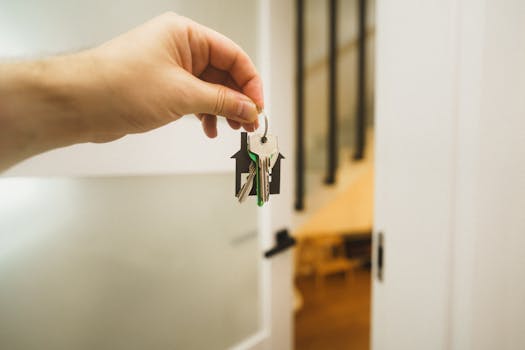
Signing your first housing lease is a momentous step toward independence, whether you’re moving out for college, starting a new job, or simply embarking on a new chapter. The legal jargon, unfamiliar terminology, and binding commitments can make the process feel intimidating, especially for first-timers. But with the right guidance, you can confidently navigate your lease signing and avoid the most common pitfalls.
This comprehensive first timer’s guide breaks down what to expect, how to prepare, and what to look for before putting pen to paper on your first housing lease. By the end, you’ll be empowered to make informed decisions and start your new living situation on the right foot.
Understanding the Basics: What Is a Housing Lease?
A housing lease is a legally binding contract between a landlord and tenant, outlining the terms under which you may occupy a property. Leases can be written or, in rare cases, verbal, but a written lease is standard and offers vital protection for both parties.
.png) Typically, a lease will specify:
- The length of the agreement (e.g., 12 months, 6 months, or month-to-month)
- The monthly rent amount and due date
- Security deposit requirements
- Rules regarding pets, guests, and subletting
- Maintenance responsibilities
Typically, a lease will specify:
- The length of the agreement (e.g., 12 months, 6 months, or month-to-month)
- The monthly rent amount and due date
- Security deposit requirements
- Rules regarding pets, guests, and subletting
- Maintenance responsibilities
According to the U.S. Census Bureau’s 2023 data, over 44 million households in the United States are renters, with nearly 1 in 4 leases signed by individuals under the age of 30. For first-time renters, a lack of familiarity with lease agreements is the leading cause of disputes or misunderstandings with landlords.
Critical Pre-Lease Checks: What to Know Before You Sign
Before you sign a lease, it’s crucial to conduct several checks to avoid future headaches. Here are the most important steps to take:
1. $1 Don’t skim! Look for details about rent increases, policies on breaking the lease early, and any additional fees (such as utilities, parking, or maintenance). 2. $1 Physically walk through the property and document its condition. Take photos of any pre-existing damage. According to a 2022 Rent.com survey, 38% of first-time renters lost part of their deposit due to disputes over property condition. 3. $1 Search online for reviews or complaints on platforms like Yelp, Google, or the Better Business Bureau. A history of unresolved disputes is a red flag. 4. $1 Tenant rights vary significantly by state and city. Websites like Nolo.com or your local housing authority can provide a summary of your protections. 5. $1 Ask which utilities (water, gas, electricity, internet) are included in the rent and which are your responsibility. The average U.S. renter pays $179 per month for utilities, as per EnergyStar.gov.Decoding Lease Clauses and Legal Terms
Leases often contain legal language that can be confusing. Here are some common terms you’re likely to encounter:
- $1 Indicates whether the lease is fixed-term (e.g., 12 months) or month-to-month. - $1 A refundable amount (often 1-2 months’ rent) held in case of damage or unpaid rent. - $1 If you have roommates, this clause means all tenants are collectively responsible for the full rent and damages. - $1 Specifies how much advance notice (typically 30 or 60 days) you must give before moving out.Understanding these terms can save you from costly misunderstandings. For example, failing to provide proper notice can result in losing your deposit or being liable for additional rent.
Comparing Lease Types: Which Is Best for You?
Not all leases are created equal. The type of lease you choose impacts your flexibility, financial commitments, and long-term plans. Here’s a comparison of the most common housing lease types:
| Lease Type | Typical Duration | Flexibility | Pros | Cons |
|---|---|---|---|---|
| Fixed-Term | 6-12 months | Low | Stable rent; security of tenure | Difficult to break; penalties for early termination |
| Month-to-Month | 30 days | High | Easy to move out; adaptable to changing needs | Rent can increase at any time; less security |
| Sublease | Varies | Medium | Short-term solution; often furnished | May lack legal protections; landlord approval needed |
According to Zillow’s 2023 rental market report, 61% of new renters choose fixed-term leases for stability, while 27% prefer month-to-month leases for flexibility. Consider your own needs and future plans when choosing a lease type.
Financial Planning for First-Time Renters
Budgeting for your first lease goes beyond just the monthly rent. Here’s a breakdown of typical upfront and ongoing costs:
- $1 Usually 1-2 months’ rent. For example, if your rent is $1,200/month, expect to pay $1,200-$2,400 upfront. - $1 Most landlords require this at signing. - $1 These average $40-$60 per applicant; some cities cap these fees by law. - $1 As mentioned, national averages hover around $179/month, but this varies by location and housing type. - $1 Often required, averaging $15-$25 per month. This protects your belongings against theft, fire, or other damages.Additionally, set aside funds for moving expenses, furnishings, and an emergency fund. According to a 2021 Apartment List survey, 32% of first-time renters underestimate their move-in costs, leading to financial strain in the first few months.
Negotiating Your Lease: Tips for First Timers
Many first-time renters don’t realize that lease terms can be negotiable. While not all landlords are open to changes, it’s worth asking about:
- $1 If you can commit to a longer lease, request a lower monthly rate. In competitive markets, some landlords offer 1-2 months free for 12-month leases. - $1 If you need to move in a week early or delay your start date, ask if the landlord can accommodate. - $1 If your lease prohibits pets but you have one, provide references from previous landlords or offer a higher pet deposit. - $1 Clarify how quickly repairs will be addressed, and if possible, seek to include language specifying a time frame.Be polite and professional in your negotiations. Present yourself as a responsible tenant; landlords are more likely to work with renters they trust.
What to Do After Signing: Setting Yourself Up for Success
Once you’ve signed your lease, there are a few important steps to take:
1. $1 Store a signed copy of your lease in both digital and physical formats. 2. $1 Complete a move-in checklist and take clear, date-stamped photos of every room, including appliances, fixtures, and any pre-existing damage. 3. $1 Contact utility providers at least one week before your move-in date to ensure services are ready. 4. $1 Introduce yourself—building good relationships can enhance your living experience and help in emergencies. 5. $1 Set up reminders or automatic payments. According to the National Multifamily Housing Council, 96% of renters who pay on time report fewer disputes with landlords.By being proactive, you’ll lay the foundation for a positive rental experience and protect yourself from common first-timer mistakes.
Final Thoughts on Signing Your First Housing Lease
Signing your first housing lease is both exciting and daunting, but a little preparation goes a long way. Understanding the terms, comparing lease types, budgeting for expenses, and negotiating key points can make the difference between a smooth transition and a stressful ordeal. By following the steps in this guide, you’ll not only avoid the most common pitfalls but also set yourself up for a successful, enjoyable rental experience.
Remember: the lease is a legal document, but it’s also a relationship between you and your landlord. Clear communication, mutual respect, and careful planning will serve you well as you begin this new chapter.