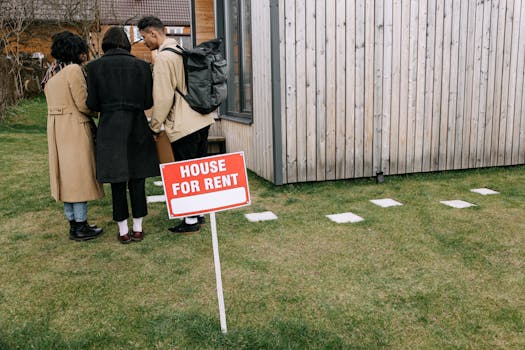
When searching for student housing, the process can often seem overwhelming. To make an informed decision, it's vital to approach the lease signing with a clear understanding of several key aspects of the rental agreement and the property itself. Here’s a detailed guide on what to check before signing a student housing lease, ensuring a smooth and favorable living arrangement during your academic years.
- Thoroughly Understand the Lease Agreement
The lease is a legally binding document between you and the landlord. Read every section carefully, paying close attention to the lease term, payment deadlines, rent amount, security deposit details, and conditions for lease termination. Understanding these points helps you avoid surprises regarding financial obligations or your rights as a tenant.
- Identify Any Hidden Fees
Review the lease for any non-obvious fees that could inflate your costs. These might include charges for late payments, utilities, maintenance, and use of amenities. Knowing these fees upfront will help you budget more accurately and decide if the housing is financially feasible.
.png)
- Inspect the Property Thoroughly
Conduct a detailed inspection of the property. Look for signs of damage or wear that could impact your living experience. Check that all appliances and systems (heating, plumbing, electrical) are operational. Document any existing damage with photos or a written report to protect your deposit when it's time to move out.
- Review Rules and Regulations
Familiarize yourself with the building’s rules, such as noise limitations, guest policies, and regulations about common areas. Ensure you can comfortably live within these guidelines before committing to the lease.
- Evaluate Location and Accessibility
Assess the property’s location relative to your campus, public transport, essential services, and social venues. Also, consider the safety of the neighborhood by checking crime statistics and speaking with current residents about their experiences.
- Understand Roommate and Subletting Policies
If you plan to live with roommates, check the lease for how it handles multiple tenants. Be clear on whether all roommates must sign the lease or if subletting is allowed, which can offer flexibility if your living situation changes.
- Clarify Utilities and Amenities
Determine which utilities are included in the rent and which are extra. Also, evaluate the amenities (like laundry services, fitness centers, and parking) to ensure they meet your needs and are worth any additional cost.
- Know About Lease Renewal and Rent Increases
Understand the policy on lease renewal and any conditions regarding rent increases. Some leases offer a fixed rent for the initial term but might include terms for future increases.
- Check Landlord Responsiveness and Maintenance Policies
Inquire about the landlord's reputation for responding to maintenance issues and other tenant concerns. A landlord who is attentive and proactive about maintenance can greatly enhance your living experience.
- Review Legal and Exit Clauses
Be aware of any clauses related to legal disputes, eviction processes, or early termination of the lease. Knowing these in advance can help you navigate any future challenges more effectively.
Conclusion
Carefully reviewing and understanding each aspect of your lease can prevent many common problems faced by student renters. Don’t hesitate to ask the landlord to clarify any confusing terms, and consider having a legal professional review the document if possible. By taking these steps, you can secure student housing that is not only affordable and convenient but also a pleasant home during your academic journey.