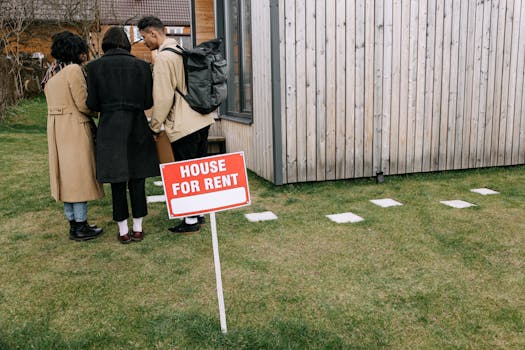
Finding your first student rental can be a daunting milestone. With nearly 20.2 million students enrolled in American colleges for the 2023-2024 academic year, student housing is more competitive, diverse, and complex than ever. From leases to roommates, amenities to safety, there’s a lot to consider before signing on the dotted line. Whether you’re moving into a university-managed dorm, a shared apartment, or a private studio, being prepared is the key to a smooth transition and a positive living experience. This ultimate checklist covers every step, ensuring you make informed decisions and avoid the common pitfalls that first-time renters face.
Understanding Your Student Housing Options
Before you even start touring apartments or browsing rental listings, it’s crucial to know what types of student housing exist. Each option comes with its own advantages, drawbacks, and cost considerations.
According to the National Multifamily Housing Council, about 40% of full-time students live on campus, while the remaining 60% seek off-campus solutions, including shared apartments, studios, and homestays. Here’s a breakdown of the most common types:
.png)
| Type | Average Monthly Cost (2023) | Pros | Cons |
|---|---|---|---|
| On-Campus Dormitory | $1,200 | Easy access to campus, utilities included, social environment | Less privacy, limited space, often mandatory meal plans |
| Shared Apartment | $900 | More independence, often more space, split costs | Roommate issues, utility bills not always included |
| Private Studio/Apartment | $1,500 | Maximum privacy, control over environment | Most expensive, additional responsibilities |
| Homestay | $800 | Home-like environment, meals may be included | Less independence, house rules |
Knowing your priorities—privacy, cost, location, or amenities—will help you focus your search and avoid wasting time on unsuitable options.
Budgeting and Hidden Costs: What to Expect
Rent is just the beginning. According to a 2022 RentCafe survey, the average college student spends an additional $250 to $400 per month on utilities, groceries, transportation, and personal expenses. Here’s what to look out for:
1. $1 Most landlords require one month’s rent upfront as a deposit. Some may ask for first and last months’ rent, so be ready to budget for this significant initial outlay. 2. $1 Electricity, water, gas, trash, and internet are not always included. Ask the landlord what’s covered and request average monthly costs. 3. $1 Many leases now require renter’s insurance, which protects your belongings in case of theft or disaster. Policies average $15–$25 per month. 4. $1 Some rentals come unfurnished. The average student spends $300–$600 setting up a basic room with a bed, desk, and kitchen items. 5. $1 If you’re living off-campus, consider public transit or parking fees, which can add $50–$150 per month to your budget.Creating a comprehensive budget before you commit can prevent financial surprises down the road.
Lease Agreements: What to Read Before You Sign
Leases are legally binding contracts, and failing to understand them can lead to major headaches. According to the Urban Institute, nearly 34% of first-time renters admit to signing leases without reading the terms closely—often resulting in lost deposits or unexpected fees.
Here’s a checklist of what to review and clarify:
- $1 Is it for 12 months, 9 months, or month-to-month? - $1 When is rent due? How is it paid? Are there late fees? - $1 Clearly list what is and isn’t included in rent. - $1 Who handles repairs? How do you report issues? - $1 Are overnight guests or sublets allowed? - $1 What happens if you need to break the lease? - $1 What conditions apply to getting your security deposit back?Don’t hesitate to ask the landlord or property manager for clarification. If possible, have a parent, guardian, or university housing advisor review the lease with you.
Inspecting the Property: Your Pre-Move Checklist
Before you sign or move in, inspect the property thoroughly. A 2023 Apartment List report found that 23% of student renters discovered significant issues—like mold, broken appliances, or security concerns—only after moving in.
Use this pre-move inspection checklist to protect yourself:
- $1 Check locks, screens, and for drafts. - $1 Test faucets, showers, and flush toilets for leaks or low pressure. - $1 Ensure the stove, oven, fridge, and microwave work. - $1 Turn on all lights, check outlets with a phone charger. - $1 Press the test button and ensure batteries are working. - $1 Look for signs of bugs or rodents in cabinets and corners. - $1 Note any damage or stains; photograph everything. - $1 Test if connections are working if provided.Document and photograph all existing damage and request a move-in condition form from your landlord. This will help you avoid disputes over your deposit later.
Roommates, House Rules, and Living Agreements
Around 70% of college students share housing with at least one roommate, according to the Higher Education Research Institute. While sharing expenses is a major benefit, it can also lead to conflict if expectations aren’t clear from the start.
Here’s how to set the stage for a successful shared living arrangement:
- $1 Outline quiet hours, cleaning schedules, bill splitting, and guest policies. - $1 Decide how you’ll resolve disagreements—whether through regular meetings, group chats, or third-party mediation. - $1 Use apps like Splitwise or Venmo to track and pay bills. - $1 Set boundaries for shared and private spaces.Being proactive about communication prevents misunderstandings and helps build a positive living environment.
Safety, Security, and Your Rights as a Tenant
Your safety and security are paramount. The U.S. Department of Justice reports that rental properties are 50% more likely to experience break-ins than owner-occupied homes. Don’t overlook these essential precautions:
- $1 Ensure all exterior doors and windows have secure locks. - $1 Adequate outdoor and hallway lighting deters intruders. - $1 Introduce yourself to neighbors; a watchful community is safer. - $1 Know your rights—every state has different tenant protections regarding privacy, eviction, and repairs. The U.S. Department of Housing and Urban Development (HUD) website is a good starting point. - $1 Save local police, fire, and campus security numbers.If you feel unsafe or your landlord doesn’t address concerns promptly, contact your university’s student services or tenant advocacy groups for support.
Conclusion: Start Your Student Housing Journey Prepared
Renting your first student home is a major life step—and with the right preparation, it can be a rewarding and empowering experience. By understanding your housing options, budgeting wisely, reviewing leases carefully, inspecting the property, communicating with roommates, and prioritizing safety, you’ll lay the foundation for a successful academic year and a positive living environment.
Keep this checklist handy and refer to it as you navigate your student housing search. Being thorough now means fewer surprises and more peace of mind as you settle into your new home.