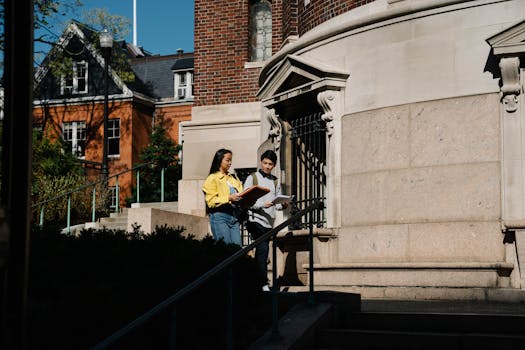
Finding the right student housing is one of the most important decisions for anyone heading off to college or university. The place you call “home” during your academic journey can impact your social life, academic performance, and overall well-being. However, the variety of student housing options—ranging from on-campus dormitories to private apartments and homestays—means that each choice comes with unique benefits and drawbacks. Understanding the advantages and disadvantages of different types of student housing is crucial for students and their families as they navigate this significant life decision.
The Landscape of Student Housing Options
Student housing comes in many forms, each catering to different preferences, budgets, and lifestyles. The four main categories most students consider are:
1. On-campus dormitories (residence halls) 2. Off-campus apartments 3. Purpose-built student accommodation (PBSA) 4. Homestays or living with a host familyA 2023 survey by College Board found that roughly 40% of full-time undergraduate students in the U.S. live on campus, while another 36% rent off-campus apartments, and the rest choose alternative arrangements like living with family or in specialized housing. Each option presents a unique set of factors to weigh, from cost and convenience to privacy and community.
.png)
On-Campus Dormitories: Community and Convenience
On-campus dormitories, also known as residence halls, are a traditional choice for first-year students and those seeking the “classic” college experience. Universities typically offer various room types, from shared doubles to single suites.
Advantages: - Convenience: Proximity to classes, libraries, dining halls, and campus resources often means no commuting, saving time and money. - Social Opportunities: Dorms are designed for building community, with social events, study groups, and easy access to peers. - Security: Campuses usually provide 24/7 security, keycard access, and resident advisors (RAs) to support student well-being. Disadvantages: - Cost: On-campus housing can be expensive. According to the National Center for Education Statistics, the average annual cost for a dorm room in 2022-2023 was $7,600 at public colleges and $13,000 at private institutions. - Lack of Privacy: Shared living spaces mean less privacy, noise, and potential conflicts with roommates. - Limited Independence: Meal plans, curfews, and housing rules can restrict freedom compared to independent living.Off-Campus Apartments: Independence and Flexibility
Off-campus apartments are popular among upperclassmen and students who crave more autonomy. Renting an apartment can mean living alone, with friends, or even with other students in purpose-leased student complexes.
Advantages: - Independence: Students set their own schedules, cook their own meals, and manage their own space. - Privacy: Apartments offer more control over noise and visitors, and private bedrooms are often available. - Potentially Lower Costs: By sharing rent and utilities with roommates, students can sometimes save money compared to campus housing, especially in cities with reasonable rental markets. Disadvantages: - Commute: Living off-campus may involve daily travel, which adds time and expense. The American Public Transportation Association estimates that students living off-campus spend an average of 30 minutes commuting each day. - Responsibility: Tenants must sign leases, pay utility bills, and address maintenance issues, which can be daunting for first-time renters. - Isolation Risk: Apartments can feel isolating, especially for students new to the area or without an established friend group.Purpose-Built Student Accommodation (PBSA): Tailored Student Living
Purpose-built student accommodation (PBSA) is a growing segment, especially in countries like the UK, Australia, and increasingly in the U.S. These are modern, privately-managed buildings designed exclusively for students, often featuring amenities like gyms, study lounges, and social spaces.
Advantages: - Student-Centric Amenities: Many PBSAs offer all-inclusive rent, high-speed Wi-Fi, cleaning services, and community events. - Flexible Lease Terms: Shorter leases (sometimes as brief as 6 months) are common, which is ideal for exchange students or internships. - Safety and Support: Secure access, on-site staff, and peer support networks make PBSAs appealing, especially to international students. Disadvantages: - Cost: PBSAs can be pricey. A 2023 report by Savills found that average PBSA rents in major U.S. cities were 10–30% higher than traditional off-campus apartments. - Potential for Overcrowding: High demand can lead to shared facilities being crowded during peak times. - Less Integration with Local Community: Some PBSAs are isolated from the broader neighborhood, limiting opportunities to engage with non-student residents.Homestays and Host Families: A Cultural Exchange
Homestays, where students live with a local family, are especially popular among international students or those seeking a deeply immersive cultural experience. In 2022, over 50,000 international students in the U.S. opted for homestays, according to the Council on Standards for International Educational Travel.
Advantages: - Cultural Immersion: Living with a local family helps students adapt to new customs, languages, and traditions. - Personal Support: Host families often offer guidance, meals, and a sense of belonging. - All-Inclusive Costs: Rent typically covers utilities, internet, and meals, simplifying budgeting. Disadvantages: - Limited Independence: Students must adapt to household rules and routines, which may feel restrictive. - Less Peer Interaction: Homestays can limit opportunities to socialize with fellow students unless students make a concerted effort. - Compatibility Risks: The homestay experience depends greatly on the family match; mismatches can negatively impact the student’s experience.Comparing Student Housing Types: A Side-by-Side Analysis
To provide a clearer picture, here’s a comparison table summarizing key aspects of common student housing options:
| Type | Average Cost (per year) | Privacy | Community | Meal Options | Commute Time | Support & Services |
|---|---|---|---|---|---|---|
| On-Campus Dormitory | $7,600–$13,000 | Low–Medium | High | Meal plan required/available | None–Minimal | High (RAs, security) |
| Off-Campus Apartment | $6,000–$12,000 | Medium–High | Low–Medium | Self-catered | 10–30 min (avg.) | Low |
| PBSA | $8,000–$15,000 | Medium–High | Medium–High | Self-catered or optional | 5–20 min | Medium (on-site staff) |
| Homestay | $7,000–$11,000 | Medium | Low–Medium | Meals included | Varies | High (family support) |
Special Considerations: International Students and Accessibility Needs
Some student groups have unique housing requirements. For international students, safety, language support, and cultural integration are often top priorities. According to the Institute of International Education, nearly 1 million international students studied in the U.S. in 2022–2023, with over 60% opting for on-campus or PBSA housing in their first year.
Students with disabilities or accessibility needs must evaluate housing for features such as wheelchair access, visual/auditory aids, and proximity to campus services. The Americans with Disabilities Act (ADA) mandates accessible on-campus housing, but off-campus options may vary widely.
How to Choose: Factors for Making the Right Housing Decision
Given the range of options and personal preferences, here are some critical factors to consider:
- Budget: Account for rent, utilities, transportation, and food. Remember that “all-inclusive” often simplifies financial planning. - Location: Proximity to campus, grocery stores, and social hubs can affect daily life and time management. - Desired Lifestyle: Think about your preference for independence, social activities, and privacy. - Support Systems: First-year and international students often do better with more support and built-in community. - Lease Terms: Evaluate contract length, subletting policies, and flexibility, especially if you plan to study abroad or take internships.A 2023 survey by the National Association of College and University Residence Halls found that students who felt satisfied with their housing were 25% more likely to report strong academic performance and positive mental health.
Final Thoughts on Student Housing Choices
Choosing the right student housing is a balance between practical needs and personal preferences. On-campus dorms offer community and convenience but can be costly and lack privacy. Off-campus apartments provide independence but require more responsibility. PBSAs combine modern amenities with student-centric design, at a higher price point, while homestays offer cultural immersion and personal support, but with less peer interaction. Carefully weighing the advantages and disadvantages of each type—and considering your own priorities—will help ensure a positive housing experience and a successful academic journey.