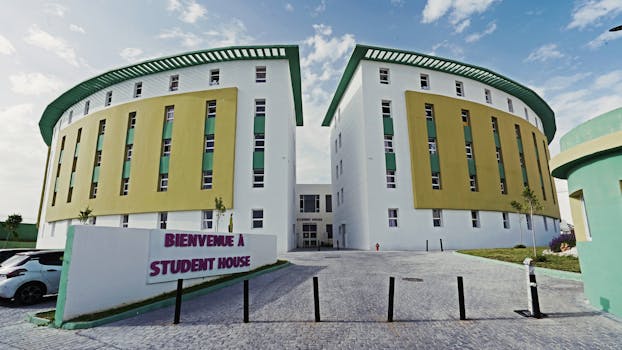
As universities evolve and student needs change, the trend of opting for apartments close to campus over traditional dormitories is gaining momentum. This shift is influenced by several factors that cater to the preferences and lifestyles of modern college students.
Independence and Privacy Living in an apartment allows students greater independence compared to on-campus dormitories. Apartments typically offer more personal space, enabling students to study, relax, and live without the constant presence of a roommate. This privacy is essential for many, particularly for those who value their own space for academic and personal growth.
Cost-Effectiveness Contrary to what some might assume, renting an apartment can often be more cost-effective than living in a dormitory. This is especially true at universities where dorm fees are high. Apartments usually provide more bang for the buck, offering more space and amenities for the same price or less, particularly when costs are shared among roommates. Additionally, having a kitchen allows students to save money by cooking meals at home, avoiding the high costs of campus meal plans.
.png)
Lease Flexibility Apartments typically offer more flexible leasing options compared to the rigid full-academic-year commitment required by dormitories. This flexibility is beneficial for students who may need to travel for internships, participate in study abroad programs, or who may not be enrolled in summer sessions.
Enhanced Amenities Many apartment complexes offer amenities that dormitories do not, such as private parking, in-unit laundry facilities, fitness centers, and sometimes even pools. These features not only provide convenience but also enhance the quality of life, offering students facilities that contribute to both their physical well-being and social life.
Proximity to Campus The convenience of living near campus is a significant advantage of renting an apartment close by. It saves time and transportation costs, making it easier for students without cars to access campus facilities like libraries and labs conveniently.
Balance of Campus and Off-Campus Life Living near campus allows students to enjoy the best of both worlds—participating fully in campus life while enjoying the independence of off-campus living. This arrangement is particularly attractive to upperclassmen and graduate students who might prefer a quieter living environment but still want to engage in academic and social activities.
Safety Many apartment complexes offer enhanced security features, including controlled access, security cameras, and sometimes even on-site security personnel. These safety measures provide peace of mind for both students and their families.
Real-World Experience Apartment living provides students with a taste of the real world. Responsibilities such as managing bills, interacting with landlords, and maintaining a household are valuable life skills that dorm living does not typically offer.
Conclusion The choice of living in apartments near campuses is driven by various factors—cost, independence, flexibility, amenities, and safety. These benefits not only improve the living and learning environments but also prepare students for life post-graduation. As the needs and preferences of students continue to evolve, the trend toward off-campus apartment living is likely to grow, shaping how universities and students approach campus living in the future.