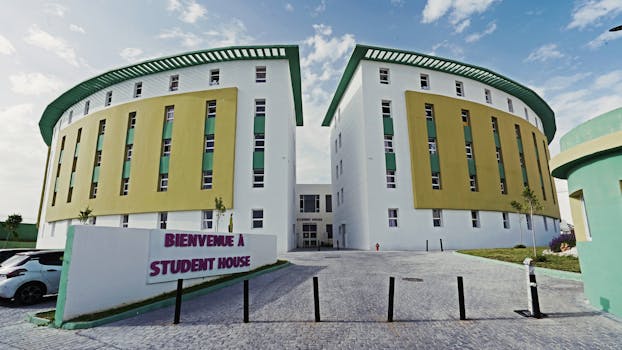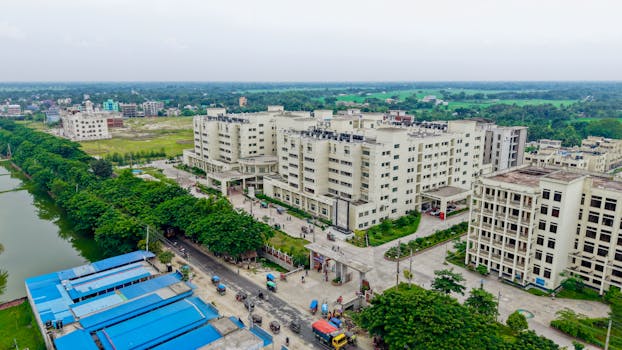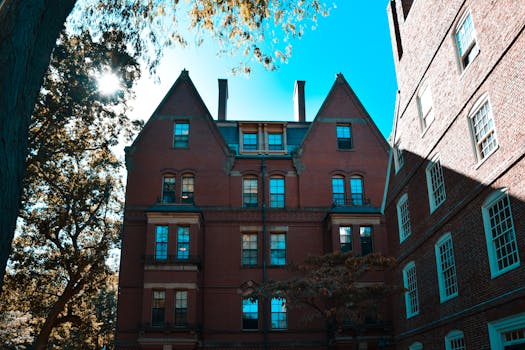
The proximity of a property to a university or college campus can significantly influence its rental prices, a phenomenon primarily driven by the high demand among students, faculty, and staff for housing close to educational facilities. This demand boosts rental rates, especially in properties that offer not only proximity but also access to campus amenities such as libraries, gyms, and social environments.
Key Factors Influencing Rental Prices Near Campuses
- High Demand for Convenient Housing
- The desire to minimize commute times and transportation costs makes properties near campuses highly sought after. This is particularly true for students, who often prioritize location over other rental property features.
- Supply and Demand Dynamics
- The classic economic principle of supply and demand dictates rental prices. If the number of available properties is low relative to demand, prices will naturally be higher. This scenario is common in university towns where space and housing are limited.
- Institution Type and Reputation
- The prestige and size of the educational institution can also play a role. Properties near renowned or larger universities tend to have higher rental rates due to the perceived value and higher demand associated with these institutions.
- Seasonal Variations
- Rental prices can fluctuate with the academic calendar. Peaks are often seen at the start of terms when demand is highest, while prices can dip during the summer or when classes are not in session.
- Long-Term Trends and Local Development
- Changes such as university expansions or local urban development projects can affect long-term demand and rental prices. Improvements in public transportation and infrastructure can also make nearby areas more appealing and accessible, potentially driving up prices.
Implications for Renters and Real Estate Investors
.png)
For Renters: Renters should weigh the cost against the convenience of living near a campus. While higher rental prices might be offset by lower transportation costs and access to campus facilities, it's essential to evaluate personal budgets and needs.
For Investors: Properties near campuses generally offer good opportunities for stable rental income due to consistent demand. However, potential challenges include higher tenant turnover and the possibility of damage to property. Additionally, shifts in university policies or expansions can suddenly alter the rental market, impacting profitability.
Conclusion
Living near a university campus comes with a premium, largely due to the convenience and amenities associated with such locations. Both renters and investors need to consider the dynamic nature of the rental market in these areas, influenced by various factors including the type of institution, supply constraints, and broader market trends. By understanding these elements, stakeholders can make more informed decisions that align with their financial goals and housing needs.