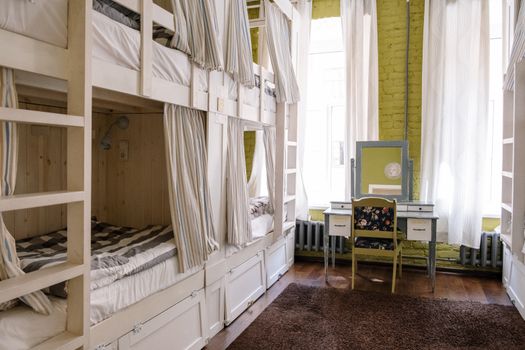
Living in a student apartment often means sharing spaces with others—friends, acquaintances, or even strangers. While communal living can be fun and build lifelong friendships, it can also come with its own set of challenges, especially when it comes to keeping shared spaces organized. Cluttered kitchens, messy living rooms, and unclear boundaries can quickly lead to tension and stress. Luckily, with some strategic planning and communication, you can transform these shared spaces into comfortable, functional, and harmonious environments. Below, we dive into practical, actionable tips for organizing shared spaces in student apartments, with a focus on systems, boundaries, and cooperative solutions.
The Importance of Organized Shared Spaces for Student Success
A well-organized shared space is more than just aesthetically pleasing—it has a direct impact on students’ well-being, productivity, and relationships. According to a 2022 survey by the National Association of College and University Residence Halls, 74% of students reported that clutter and disorganization in communal areas negatively affected their focus and academic performance. Furthermore, unorganized spaces can be a common source of roommate disputes, with 61% of student conflicts linked to shared area cleanliness and organization.
Keeping common areas organized helps reduce stress, makes daily routines smoother, and fosters a sense of respect and cooperation among roommates. When everyone knows their responsibilities and shared zones are tidy, it’s easier to relax, study, or host friends without embarrassment or frustration.
.png)
Setting Ground Rules: The Foundation of Shared Space Harmony
The first step toward an organized student apartment is establishing clear, mutually agreed-upon ground rules. This might feel formal, but it can prevent many misunderstandings later.
1. $1 Gather all roommates for an open discussion about expectations, pet peeves, and preferences regarding shared spaces. Everyone should have a chance to voice their opinions. 2. $1 Clarify which spaces and items are shared and which are off-limits. For example, the living room, kitchen, and bathroom are typically communal, while individual bedrooms and some personal kitchenware may be private. 3. $1 Rather than relying on memory or goodwill, set up a rotating schedule for chores like taking out the trash, cleaning kitchen counters, or vacuuming the living room. Digital tools like Google Calendar or apps such as OurHome and ChoreBuster can help track responsibilities. 4. $1 To avoid unexpected messes, set guidelines for how often guests are welcome and everyone’s responsibilities for cleaning up afterward. 5. $1 Decide in advance how to handle situations where someone repeatedly ignores the rules. This could be as simple as a group discussion or a more formal agreement.Efficient Storage Solutions for Small Shared Spaces
Student apartments are rarely spacious, so maximizing every inch is crucial. Here are some creative storage strategies:
1. $1 Make use of wall space with shelves, hooks, and organizers. Over-the-door racks are perfect for bathrooms, kitchens, and entryways. 2. $1 Opt for furniture that doubles as storage, such as coffee tables with drawers, ottomans with compartments, or beds with built-in storage underneath. 3. $1 Label shelves, bins, and containers in shared areas. This not only keeps items organized but also makes it clear what belongs to whom, reducing confusion and accidental borrowing. 4. $1 Designate specific shelves or bins for commonly used items like dish soap, sponges, and condiments. Personal food and toiletries should be clearly separated, either with labels or assigned sections in the fridge and bathroom. 5. $1 Schedule a monthly “purge day” to clear out expired food, unused toiletries, and broken items. This keeps clutter at bay and makes cleaning easier. 6. $1 Set up a shared bulletin board or whiteboard in a common area for notes, reminders, and schedules. This centralizes communication and reduces disputes over forgotten tasks.Dividing Responsibilities Fairly: Systems That Work
One of the trickiest parts of organizing shared spaces is ensuring that the workload is distributed equitably. Not everyone has the same standards of cleanliness or availability, so it’s important to customize your approach. Here’s a comparison of common systems:
| System | How It Works | Best For | Potential Challenges |
|---|---|---|---|
| Rotating Chore Chart | Tasks are assigned on a rotating weekly/monthly basis | Groups with equal schedules and standards | Can become unfair if someone skips their turn |
| Assigned Areas | Each person is responsible for specific areas at all times | Clear accountability, larger groups | One person may get a harder area (e.g., the kitchen) |
| Task-Based Volunteering | Roommates sign up for tasks based on preference or availability | Flexible schedules, varying workloads | Some tasks may be avoided or neglected |
| Point or Credit System | Chores earn points; credits can be traded for privileges | Competitive or incentive-driven groups | Requires tracking and can cause disputes |
In practice, many apartments blend these systems. For example, rotating the most disliked chores while assigning easier tasks permanently. The key is transparency—keep the system visible and update it regularly.
Optimizing Kitchens, Living Rooms, and Bathrooms: Area-Specific Strategies
Each shared area in a student apartment has unique organizational challenges.
$1 - Assign fridge and pantry sections to each roommate. Use colored bins or tape to distinguish personal food. - Create a “shared shelf” for communal items like milk, butter, or cooking oil, and split costs evenly. - Hang a whiteboard for grocery lists and expiration reminders. - Keep a dishwashing policy clear: “Wash your own dishes within 24 hours” is a common, effective standard. $1 - Use baskets or bins for communal items like remotes, chargers, or magazines. - Agree on a policy for personal belongings: if something is left out overnight, it goes into a “lost and found” bin. - Rearrange furniture to define zones—study, relaxation, and dining—if space allows, to reduce clutter. $1 - Assign shelves, caddies, or baskets for each roommate’s toiletries. - Keep cleaning supplies in a visible, accessible spot. - Set a schedule for cleaning tasks: mirrors, sinks, toilets, and floors should each have an “owner” for the week. - Consider a shared expense jar for toilet paper and cleaning products to avoid shortages. $1 - Place shoe racks, coat hooks, and key trays near the door. - Limit items in these areas to essentials only to prevent pileups.Communication and Conflict Resolution: Keeping the Peace
No system is perfect, and disagreements are inevitable. However, effective communication can prevent small issues from escalating.
- $1 Schedule a monthly apartment meeting to review what’s working and adjust as needed. This keeps everyone accountable and involved. - $1 Frame feedback in a constructive way. For example, “It helps me focus when the living room is tidy,” instead of “You always leave a mess.” - $1 Roommates come from different backgrounds and may have different standards. Aim for solutions that everyone can live with, even if it means meeting in the middle. - $1 If conflicts persist, consider mediation through your university’s housing office or student support services. Many campuses offer resources specifically for roommate conflicts.Smart Tech and Tools for Shared Student Living
Technology can be a game-changer for organizing shared spaces. Here are some digital tools and gadgets worth considering:
- $1 Google Calendar, Cozi, or GroupMe can be used to coordinate cleaning schedules, grocery shopping, and bill payments. - $1 Apps like Splitwise help track shared expenses, while ChoreBuster and OurHome can assign and remind roommates of chores. - $1 Invest in stackable storage containers, modular shelving, and organizers designed for small spaces. - $1 Affordable and easy to use, label makers can help keep everyone’s items organized and reduce mix-ups. - $1 These can double as central communication hubs, displaying reminders or playing music during group cleaning sessions.According to a 2023 survey by Apartment List, 68% of students who used shared digital calendars and apps reported fewer arguments and smoother day-to-day living.
Building a Lasting Culture of Cooperation in Student Apartments
Organizing shared spaces in student apartments isn’t a one-time effort—it’s an ongoing process that requires cooperation, flexibility, and mutual respect. By setting clear ground rules, investing in smart storage solutions, dividing responsibilities fairly, and maintaining open lines of communication, roommates can create living environments that support both academic success and personal well-being.
Remember, the habits and systems you build now can serve you well beyond your student years. Good organization is a life skill that will benefit you in any shared living situation, from future apartments to professional workplaces. With a proactive approach and the right tools, even the busiest student apartments can become harmonious, organized homes.