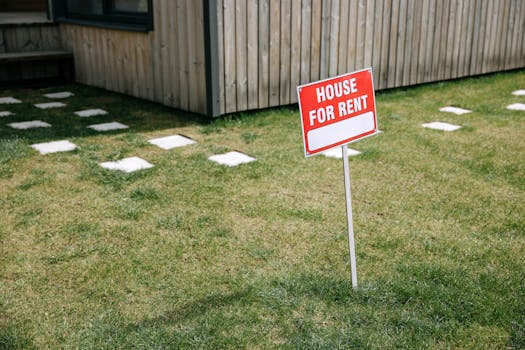
The rental market around university campuses presents unique opportunities and challenges for both landlords and students. Understanding these dynamics is essential for navigating the market effectively, whether you're looking to rent out your property or searching for a place to live during your studies.
Student Demand Drives the Market
A primary driver of the rental market near universities is the student population. High enrollment rates can significantly increase demand for housing, particularly when on-campus options are limited. This creates a vibrant, competitive market where properties may be rented out quickly and possibly at higher prices, especially during peak times like the start of the semester.
.png)
Types of Housing Students Seek
Students typically look for specific types of housing that cater to their unique needs, such as flexibility in lease terms and furnishings. Properties offering leases that coincide with the academic calendar (e.g., nine-month leases) or that come furnished can be particularly appealing. These features reduce the hassle and expense for students who may not stay year-round or who cannot afford to furnish an apartment.
Influence of University Policies
University policies can significantly impact the local rental market. Regulations that dictate where certain students may live can create a high demand for approved housing options. Moreover, universities that partner with local landlords to provide off-campus housing can influence both the standards and the pricing of rentals.
Local Economic Conditions
The general economic health of the area surrounding a university also affects the rental market. In economically strong areas, landlords might experience higher rental prices and lower vacancy rates. In contrast, areas with weaker economies might see more fluctuating rental prices and higher vacancies, impacting landlords’ income stability.
Landlord Strategies for Success
For landlords, success in this market requires a keen understanding of student needs and timing. Aligning lease start dates with the academic calendar and providing desirable amenities like high-speed internet and accessible laundry facilities can make a property more attractive to students. Effective marketing during peak rental periods is also crucial.
Advice for Students
Students looking to rent should start their search early, ideally several months before the semester begins, to secure the best housing options. They should consider the total cost of living, including utilities, transportation, and rent, and familiarize themselves with tenant rights and local housing laws to protect themselves and ensure a fair rental agreement.
Legal Considerations
Both landlords and students should understand the legal context of renting near universities. This includes knowing about tenant rights, lease requirements, and any specific local ordinances that apply to rental properties in university areas. Being informed can help prevent legal issues and contribute to a more positive rental experience.
Conclusion
Navigating the rental market around university campuses requires an understanding of various factors including student demand, housing preferences, university policies, and local economic conditions. By staying informed and adaptable, landlords can attract and retain student tenants effectively, while students can find suitable and affordable housing that meets their needs. Both parties playing their roles competently ensures a stable and mutually beneficial market.