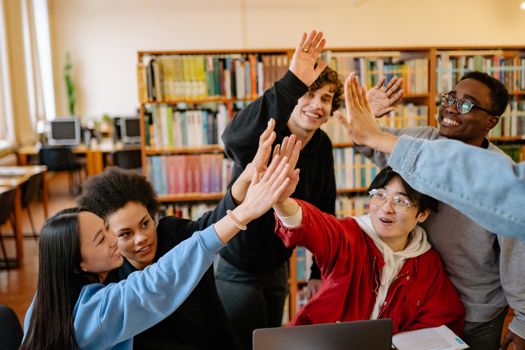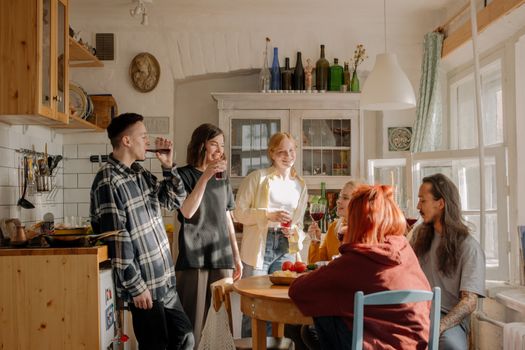
Building a vibrant and supportive community among students in housing is more than just organizing social events or setting up a group chat—it's about fostering a sense of belonging, safety, and shared purpose. Whether it’s a university dorm, an off-campus apartment, or purpose-built student accommodation, community spirit is key to student well-being, academic success, and lifelong memories. This article explores creative, actionable ideas and activities to help housing managers, resident assistants, and students themselves nurture positive connections and a thriving community environment.
The Impact of a Positive Student Housing Community
A positive community in student housing brings tangible benefits. According to a 2022 report by the American Council on Education, students who feel connected to their residential community are 30% more likely to report high satisfaction with their college experience and 26% more likely to persist through graduation. Building community can reduce feelings of isolation, lower conflict, and help students develop important social and leadership skills.
Creating a positive community also supports mental health. Data from the National College Health Assessment show that students who report a strong sense of belonging are half as likely to experience severe loneliness compared to their peers. This highlights the profound effect that a supportive environment can have on both academic and personal well-being.
.png)
Intentional Design: Spaces that Encourage Connection
The physical environment plays a crucial role in building community. Intentional design means shaping living spaces to invite interaction, collaboration, and relaxation. Consider the following strategies:
- Common Areas with Purpose: Designate spaces for studying, group cooking, or movie nights. Comfortable seating, good lighting, and multi-use furniture can encourage students to linger and connect. - Outdoor Gathering Spots: Courtyards, rooftop gardens, or picnic areas foster spontaneous encounters and group activities. Even a few benches or a community grill can transform an underused outdoor space. - Visual Identity: Displaying student artwork, group photos, or a community bulletin board gives a sense of ownership and pride. Rotating contributions ensure everyone sees themselves reflected in the space.A study by the Association of College and University Housing Officers found that residents in buildings with well-designed communal areas reported 23% higher rates of peer interaction. Investing in space is investing in community.
Traditions and Rituals: Building a Shared Identity
Traditions—whether inherited or newly created—form the backbone of community culture. They provide students with shared experiences and something to look forward to.
- Welcome Week Ceremonies: Kick off the year with a signature event. This could be a themed dinner, a group mural painting, or a campus scavenger hunt. The goal is to break the ice and make newcomers feel included from day one. - Weekly or Monthly Gatherings: Regular, low-pressure events like “Sunday Breakfasts” or “Movie Mondays” create routine opportunities for connection. Consistency helps even shy or busy students find their way in. - Celebrating Milestones: Recognize birthdays, exam completions, or major holidays as a community. For example, host a “Halfway There” party mid-semester. These moments mark progress and reinforce belonging.Successful traditions don’t have to be elaborate—what matters is their ability to unite students in positive, memorable ways.
Collaborative Projects: Fostering Teamwork and Ownership
Few things bring people together like working toward a common goal. Collaborative projects empower students, build skills, and create lasting bonds.
- Community Service: Organize volunteer days with local charities, food drives, or environmental clean-ups. In 2023, a survey by the National Association of Student Personnel Administrators found that 68% of students engaged in housing-led service projects reported higher satisfaction with their living environment. - Resident Committees: Invite students to join committees for sustainability, events, or wellness. Giving residents a voice in decision-making boosts investment and leadership. - Shared Goals: Set collective challenges, such as reducing energy usage, growing a rooftop garden, or creating a community art installation. Track progress and celebrate achievements together.These projects not only strengthen relationships but also enrich the broader community around the housing complex.
Inclusive Activities for Diverse Communities
Student housing is a microcosm of the wider world, bringing together individuals from different backgrounds, cultures, and interests. Inclusive programming ensures that everyone feels welcome and valued.
- Multicultural Nights: Host events that celebrate cultural diversity, such as international potlucks, language exchange evenings, or festivals featuring music and dance from around the globe. - Accessibility-Focused Events: Make sure activities are accessible to all students, including those with disabilities or varying schedules. Provide options for virtual participation and consider sensory-friendly gatherings. - Interest-Based Clubs: Support student-created groups focused on hobbies like cooking, gaming, literature, or sports. Even small groups can offer a sense of niche belonging and help students find their “tribe.”A thriving community is one where every student can find their place, contribute, and be recognized.
Communication Channels: Keeping Everyone Connected
Effective communication is the glue that holds a student community together. It reduces misunderstandings, boosts participation, and ensures all voices are heard.
- Digital Platforms: Use apps like GroupMe, Discord, or WhatsApp to facilitate group chats, event reminders, and resource sharing. Some housing complexes use dedicated resident portals for announcements and service requests. - Feedback Loops: Regularly solicit input through surveys, suggestion boxes, or open forums. In 2022, the Student Housing Insights Report noted that communities soliciting regular resident feedback saw a 19% decrease in reported conflicts. - Visible Schedules: Maintain a central calendar—both digital and physical—displaying upcoming events, deadlines, and community news.Clear, inclusive communication fosters transparency and makes it easier for students to get involved.
Comparing Community-Building Methods in Student Housing
To help visualize the impact and investment required for various community-building approaches, here’s a comparative table of common methods:
| Method | Student Participation Rate (%) | Cost Level | Community Impact Score (1-5) |
|---|---|---|---|
| Weekly Social Events | 60 | Medium | 4 |
| Volunteer Projects | 40 | Low | 5 |
| Resident Committees | 25 | Low | 3 |
| Multicultural Festivals | 50 | Medium-High | 5 |
| Group Study Sessions | 35 | Low | 3 |
| Online Community Platforms | 75 | Low | 4 |
Participation rates and community impact scores are based on averages reported in recent student housing surveys.
Overcoming Common Challenges in Community Building
Even with the best intentions, building community in student housing comes with challenges: busy schedules, varying interests, and the transient nature of student life. Here are some practical solutions:
- Combatting Apathy: Not all students will be eager to participate. Offer a diverse mix of activities—some social, some service-oriented, some academic—to appeal to different personalities. Incentives like food or recognition can boost initial turnout. - Managing Conflict: With many personalities under one roof, disagreements are inevitable. Establish clear guidelines for respectful communication and encourage early, mediated resolution before issues escalate. - Sustaining Momentum: Initial excitement can wane over time. Keep things fresh by rotating leadership, introducing new traditions, and regularly seeking feedback about what residents want.Persistence, flexibility, and ongoing assessment are key to long-term success.
Lasting Benefits of a Positive Community in Student Housing
Investing in community-building pays dividends far beyond the semester’s end. Students who experience strong, positive communities in housing report higher academic performance, better mental health, and more robust support networks. These benefits extend into alumni networks and professional life, where skills in communication, collaboration, and leadership prove invaluable.
By prioritizing intentional design, meaningful traditions, collaborative projects, inclusive activities, and effective communication, student housing can become more than just a place to sleep—it becomes a home where everyone thrives.